
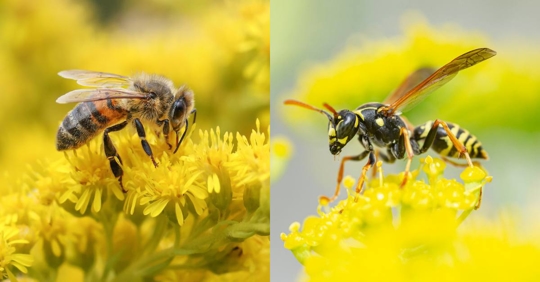
If you're a homeowner in Alameda County & Surrounding Areas, the sight of buzzing insects near your yard or home is common, especially when the weather warms. However, that buzzing could signal two very different kinds of insects: the beneficial honeybee or the aggressive yellow jacket. Knowing the difference is more than just a matter of curiosity—it's key to determining the safest and most responsible course of action for your family and your property.
Think you may have an aggressive pest nest that needs immediate attention? Don't wait—protect your family and pets by reaching out to our certified specialists right away for guidance and removal services. Call us at (510) 322-7886 or fill out our convenient online contact form.
Why Identification is So Important for Homeowners
Misidentifying a stinging insect can lead to unnecessary risks and could potentially harm the beneficial bee population. Honeybees are vital pollinators for our local environment and food supply, and their colonies should be protected and relocated, not destroyed. Yellow jackets, on the other hand, are often aggressive pests that can pose a significant health threat, especially to those with allergies. Their removal is a matter of safety. For effective and responsible pest management and bee and wasp control, recognizing the key differences is the essential first step.
Spot the Difference: Appearance and Body Shape
A quick look at the insect's appearance can tell you a lot. While both are yellow and black, their bodies are shaped and covered in very different ways.
- Honeybees: They have a more rounded, robust, and fuzzy body with black and golden-brown or amber stripes. The fuzziness helps them collect pollen. When they fly, their wings lay relatively flat over their bodies when they land.
- Yellow Jackets: These insects are a type of wasp, not a bee. They have a more slender, smooth, and shiny body with bright, vivid yellow and jet-black markings. They have a distinct, thin "waist" where the thorax connects to the abdomen. Their wings often fold tightly against their bodies when at rest.
| Feature | Honeybee | Yellow Jacket |
| Body Shape | Rounded, robust | Slender, thin "waist" |
| Texture | Fuzzy/Hairy | Smooth, shiny |
| Color | Golden-brown & black | Bright yellow & jet-black |
| Stinging | Can sting only once (and dies) | Can sting multiple times |
Behavior: Calm Pollinator vs. Aggressive Scavenger
Their behavior is arguably the biggest indicator of which insect you are dealing with. Observing how they act near your home or yard can quickly clarify the situation.
- Honeybee Behavior: Honeybees are generally gentle and focused. You will usually see them working diligently on flowers, collecting nectar and pollen. They are rarely interested in human food and will only sting if they perceive a direct, serious threat to their hive. A honeybee sting is a last resort, as it is fatal to the bee.
- Yellow Jacket Behavior: Yellow jackets are notorious for being aggressive and territorial, often stinging without what seems like any direct provocation. Unlike bees, they are scavengers, drawn to high-protein foods like meats and sweet liquids, which means they are very common around outdoor dining, garbage cans, and picnic areas, especially in the late summer and early fall. Their ability to sting repeatedly makes them much more hazardous to humans and pets.
Where They Build Their Homes
The location and structure of the nest is another reliable way to identify which insect is present on your Alameda County property. Disturbing a nest, especially a yellow jacket nest, can be extremely dangerous, so maintain a safe distance and call a professional for help.
Honeybee Nests (Hives)
Honeybees build their hives using beeswax they produce themselves. These hives feature the familiar hexagonal comb used for storing honey and raising young. Since they seek out dark, protected cavities, you'll often find them in places like:
- Hollows within old trees
- Inside wall voids or chimneys of structures
- Under sheds or eaves
If you see a large, temporary cluster of bees clinging to a branch or structure, it is likely a swarm. This is a group of bees resting while scout bees search for a new, permanent home. Swarms are generally docile and will often move on their own within a day or two. If a swarm settles in an inconvenient spot, a local beekeeper is usually the best resource for humane relocation.
Yellow Jacket Nests
Yellow jackets construct their nests from a paper-like material made from chewed wood fibers mixed with their saliva. Their nests are covered and typically have a single, small entrance hole. They prefer to build in concealed locations, which can be difficult to spot until activity increases.
Common yellow jacket nesting sites include:
- Underground in old animal burrows or depressions in the lawn
- Inside wall voids or attics of homes
- Under porches or dense shrubs
- In hollow logs or piles of debris
A yellow jacket nest should never be approached or blocked off. Attempting to seal the entrance will only encourage the aggressive yellow jackets to find another, often indoor, way out, increasing the danger to those inside your home.
Safe and Responsible Removal on Your Property
For homeowners in Alameda County, your response to a stinging insect largely depends on which insect you have found. We always recommend consulting a specialist before attempting any removal yourself, as safety is the top priority.
Honeybee Removal
Because honeybees are vital to our ecosystem, their removal should always focus on relocation and conservation.
- For Swarms: If it's a temporary swarm (a large cluster on a branch), monitor it from a safe distance for a day or two. If it doesn't leave or is in an unavoidable location, contact a local beekeeper or bee rescue service. They have the specialized tools and knowledge to safely capture and relocate the swarm to a managed hive.
- For Established Hives: If honeybees have built an established hive inside a structure (like a wall void), contact a professional bee removal service. Removing a hive from a building is a complicated process that often requires specialized construction knowledge to access the hive without harming the bees, followed by structural repair to prevent new bees from being attracted to the lingering honey and wax scent.
Yellow Jacket Wasp Removal
Given the aggressive nature and capacity for repeated stinging, a yellow jacket nest requires a more cautious approach focused on safe elimination and exclusion.
- Do Not Attempt DIY Treatment: Store-bought sprays can often agitate the colony, making them more aggressive and causing them to scatter into surrounding areas or even deeper into your home's walls. The risk of multiple stings during a botched DIY attempt is significant.
- Call a Professional Pest Specialist: Yellow jacket removal is a specialized task. Our team at Burge Pest Control is trained to locate the hidden nest, apply appropriate methods to treat the colony, and take steps to reduce the chances of future nesting in the same spot. We follow best practices to address all kinds of common pests and their nests across Alameda County. To learn more about how we handle stinging insects, visit our general pest control services page.
Protect Your Home with Professional Pest Management
Finding a nest of stinging insects can be a stressful event, but getting the right guidance makes all the difference. Whether you're working to protect our local honeybee population or need immediate help eliminating a hazardous yellow jacket nest, reliable expertise is the key to maintaining a comfortable, safe home environment.
If you are seeing an increase in stinging insect activity on your property and need expert identification and a plan for treatment or humane relocation, the specialists at Burge Pest Control are ready to help. As a trusted, family-owned provider in Alameda County & Surrounding Areas, we are committed to providing responsible solutions for all your pest concerns, including safe and effective wasp and bee removal services.
Protect your peace of mind and your property by reaching out to us today. Call us at (510) 322-7886 or send us a message through our online contact form to schedule your consultation.